Bian Stone Guide
Bian Stone Guide
Warm Stone Tools for Modern Screen Stress
Explore how black and red bian stone tools are used in modern wellness rituals for screen-tired eyes, tense jaws, tight shoulders, scalp tension, and daily wind-down.
Quick answer: What is bian stone?
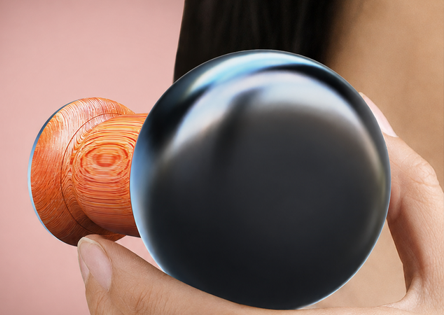
Bian stone is a traditional stone material used in Eastern body-care tools. At Resoveya, we use black and red bian stone in modern warm-touch rituals, including facial tension tools, eye pillows, neck and shoulder wraps, scalp combs, and powered massage devices. Our tools are designed for daily relaxation, sensory pressure, warmth, and mindful touch — not for medical treatment.
What is bian stone?
Bian stone is known in Eastern body-care traditions as a dense, polished stone material shaped into tools for scraping, pressing, combing, warming, and massaging the body. In modern wellness products, bian stone is often used as a tactile surface for warm-touch rituals around the face, jaw, eyes, scalp, neck, shoulders, and body.
At Resoveya, we focus on how the tool feels in use: smooth pressure, warm contact, controlled glide, and a slower daily ritual.
Black and red bian stone are used differently at Resoveya based on product design, visual tone, temperature use, and ritual experience. We do not present one color as stronger, more therapeutic, or medically more effective than the other.
Black Bian Stone vs Red Bian Stone
In traditional Eastern body-care, stone tools are often chosen for their shape, texture, weight, temperature feel, and the way they move across the body. For modern screen-stress rituals, we look at black and red bian stone through the same practical lens: how the material feels in the hand, how it looks in a daily ritual, and which product experience it supports best.
Black Bian Stone
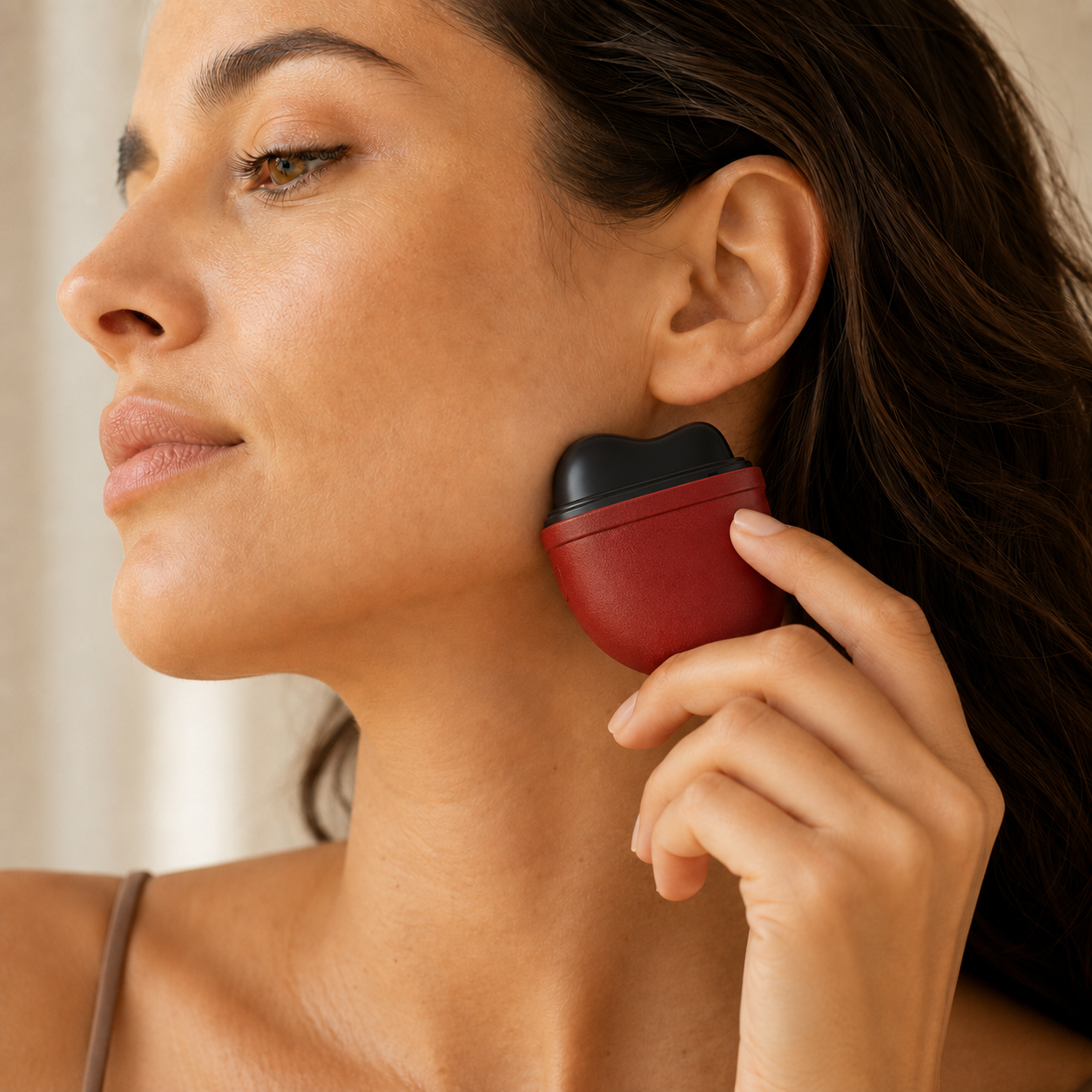
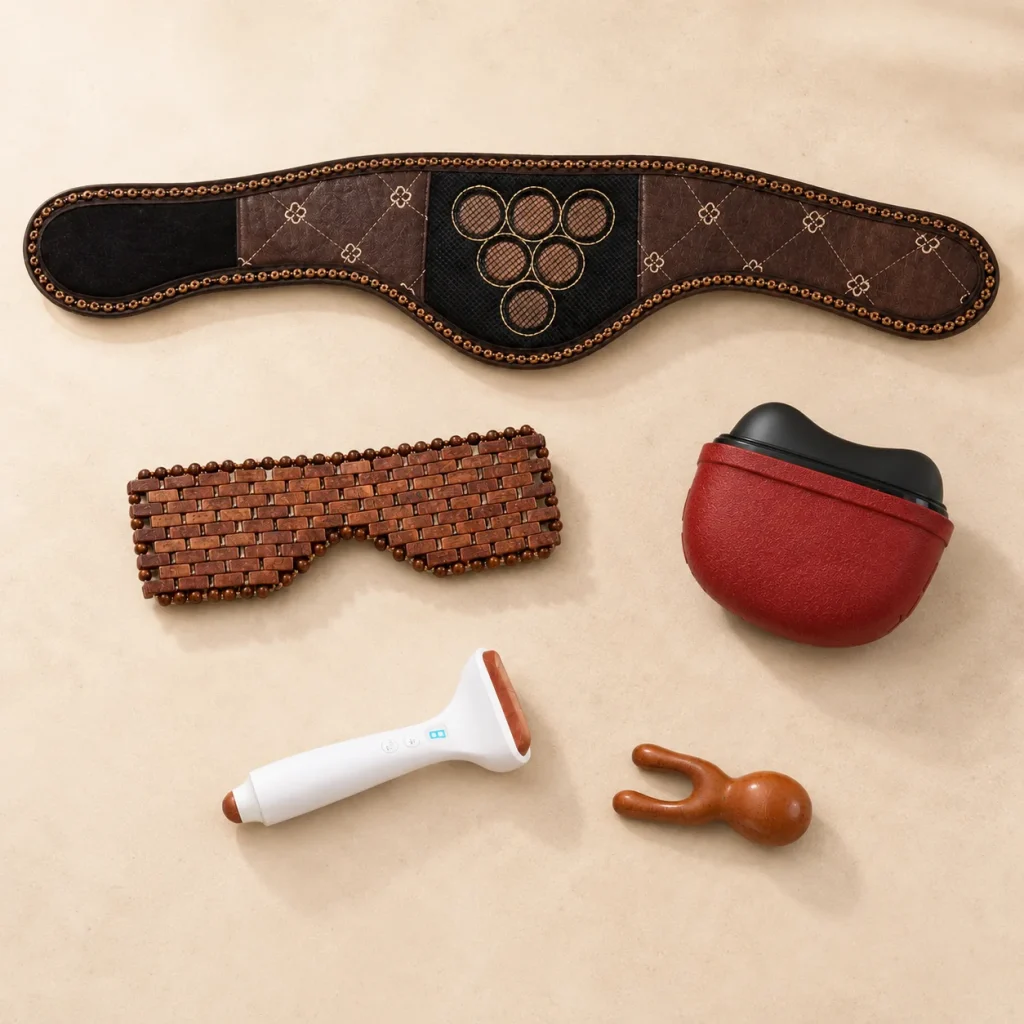
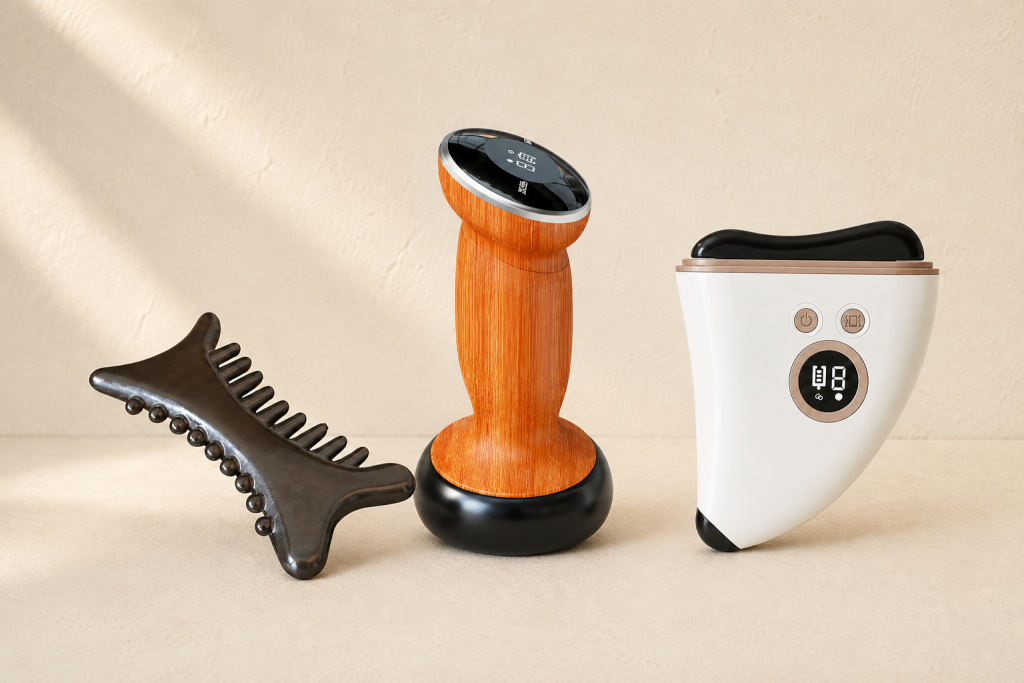
Black bian stone has a deeper, more minimal visual tone. We use it for tools that need a focused, grounded, and precise feel — especially facial tension tools, jawline tools, scalp combs, shoulder tools, body glide tools, and smart massage devices.
Red Bian Stone
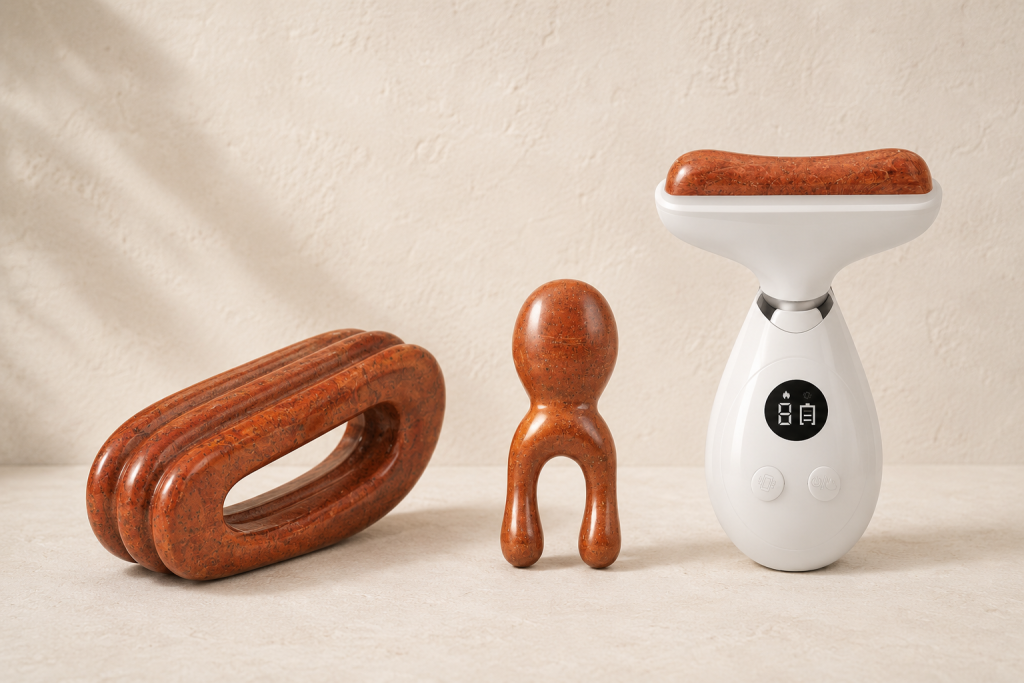
Red bian stone has a warmer, more heritage-inspired visual tone. We use it for products where warmth, softness, evening wind-down, and giftable ritual design matter most — especially weighted eye pillows, heated eye masks, warm wraps, and ritual sets.
How to choose between black and red bian stone
Choose black bian stone if you want a more focused tool for jaw, brow, temple, scalp, shoulder, or body glide rituals. Choose red bian stone if you want a warmer-looking tool for eye rest, bedtime wind-down, heated wraps, or giftable ritual sets. If you prefer a quiet, hand-guided ritual, choose a non-smart bian stone tool. If you prefer guided features such as adjustable warmth, vibration, or rhythmic massage, choose a smart bian stone device and always follow the product-specific instructions.
A note on material transparency
Because “bian stone” can be used broadly in the market, we verify material details before selecting a tool. For both black and red stone products, we look for clear material information, smooth finishing, color stability, skin-contact safety, and appropriate testing for the way the product is designed to be used.
What we do not claim
We do not claim that black bian stone and red bian stone have different medical effects. We do not claim that one color treats pain, improves circulation, detoxes the body, opens meridians, improves eyesight, treats TMJ, or resolves neck or spine conditions. Our focus is on tactile experience, warmth, pressure, and mindful daily use.
Smart vs Non-Smart Bian Stone Tools
Smart Bian Stone Tools
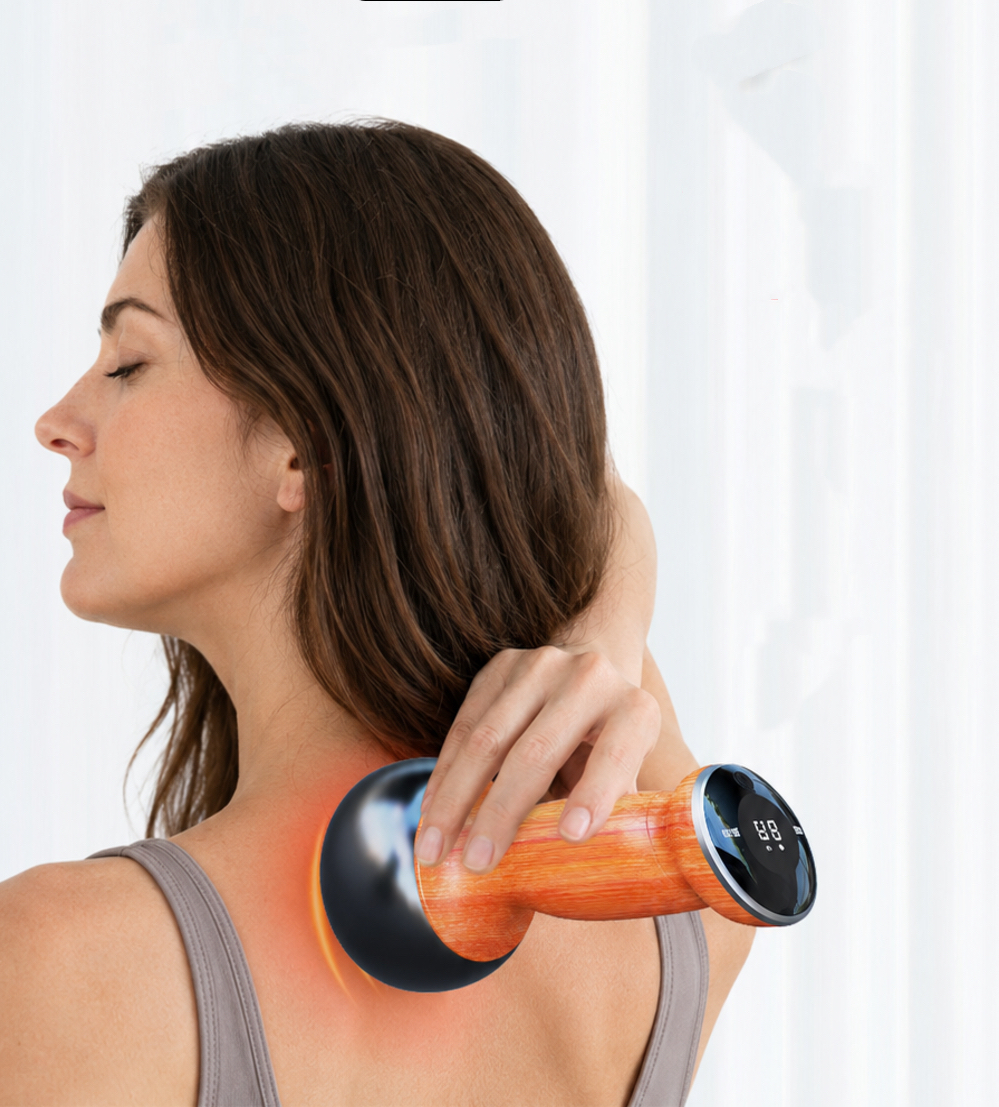
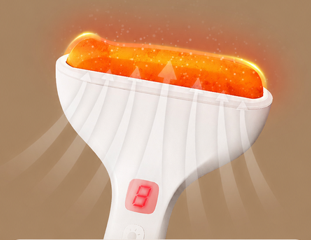
Smart bian stone tools combine a stone contact surface with powered functions such as adjustable warmth, vibration, rhythmic massage, or controlled suction depending on the product design.
Non-Smart Bian Stone Tools
Non-smart bian stone tools are hand-held, non-electric tools shaped for different parts of the body. They are used for slow scraping, pressing, combing, gliding, or warm/cool contact depending on the shape and material.
How we translate traditional functions into modern wellness language
Many traditional Eastern tool functions are difficult to translate directly into modern wellness language. At Resoveya, we translate them through the user experience: warmth, pressure, vibration, glide, suction, brushing, and touch. This keeps the ritual accessible, grounded, and easier to understand for modern screen-stressed bodies.
Choose a bian stone tool by body area
Eyes & Brow
For screen-tired eyes and brow tension
Choose a weighted eye pillow, heated eye mask, or small eye-area bian stone tool designed for gentle pressure around the brow and eye-adjacent areas.
Jaw & Face
For jaw, temple, and screen-stressed facial tension
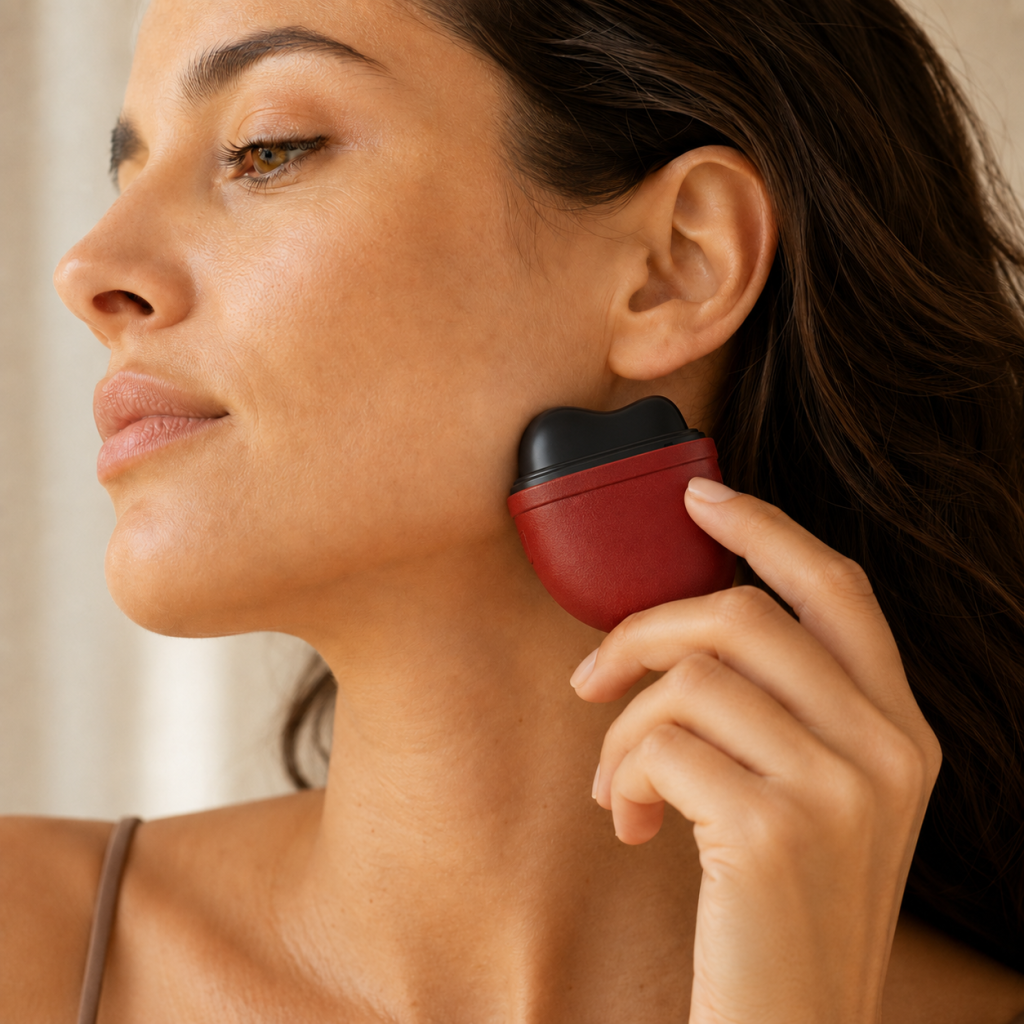
Choose a facial tension wand, jawline gua sha tool, or smooth bian stone scraper designed for slow glide around the jawline, cheeks, temples, and brow.
Nose & Ear Area
For nose-side, ear-side, and facial pressure points
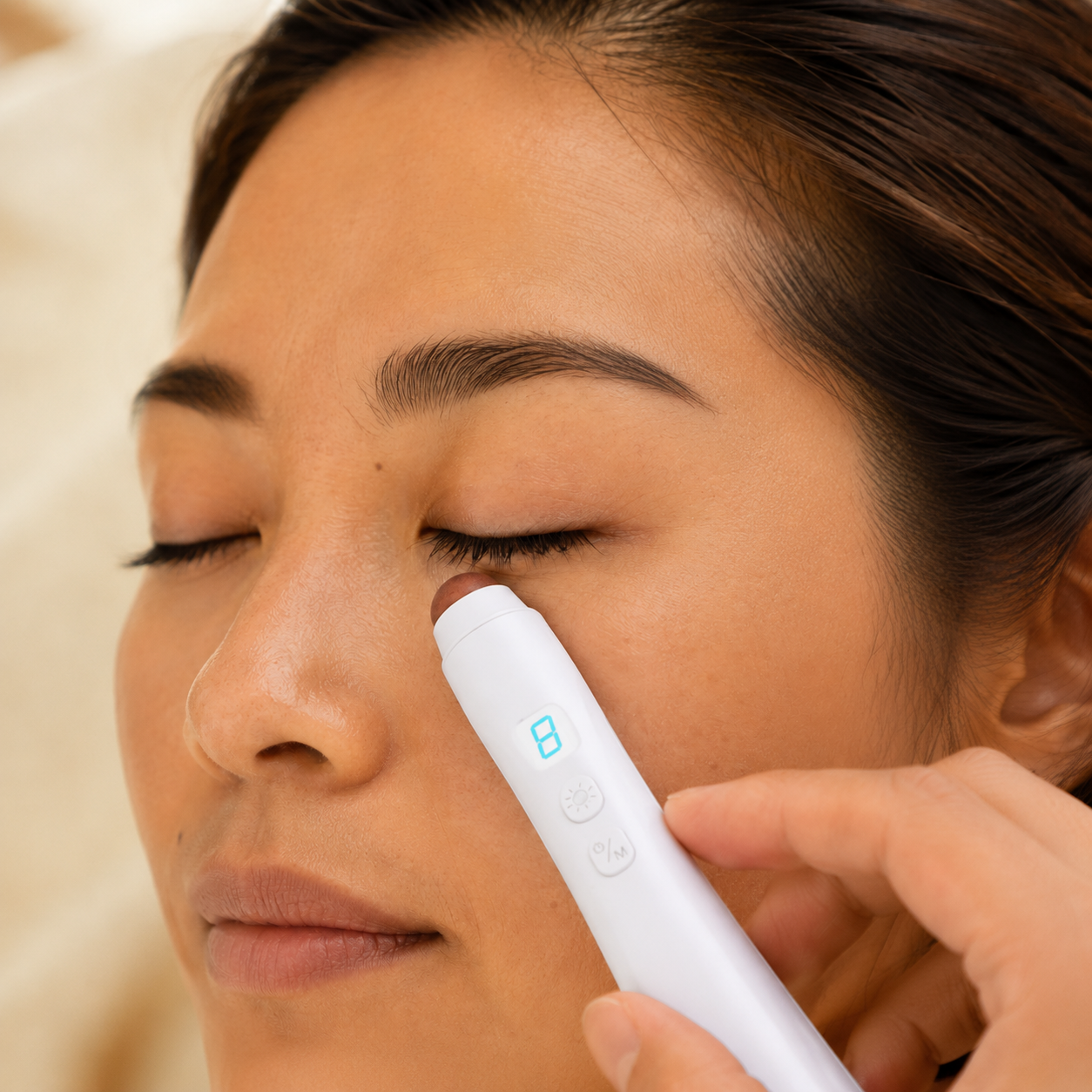
Small curved tools can be used for gentle, targeted pressure around the nose-side, ear-side, brow, and facial contours. Use light pressure and avoid sensitive or irritated skin.
Scalp
For scalp and head tension rituals
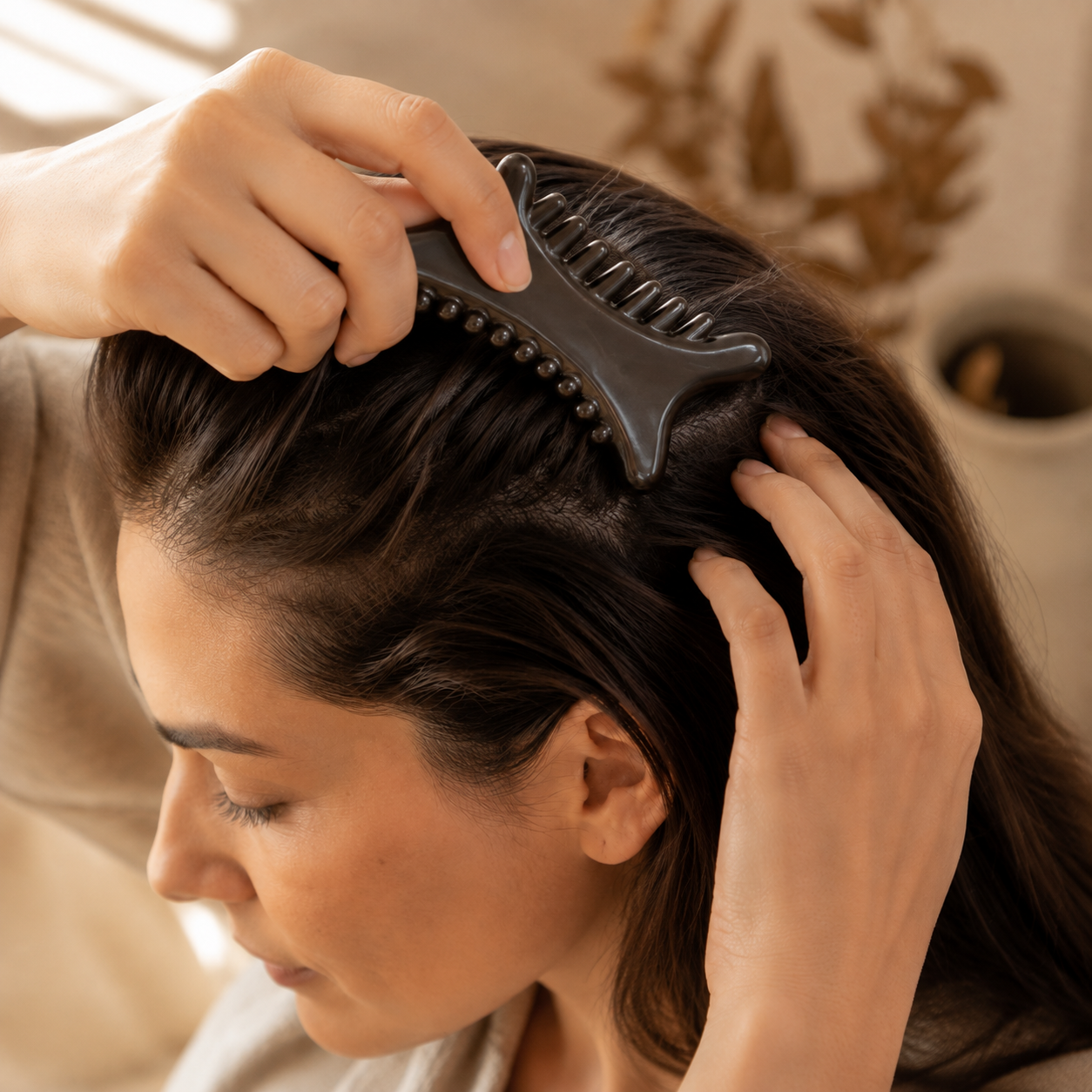
Bian stone combs and scalp tools are designed for slow combing motions across the scalp as part of a wind-down or desk-break ritual.
Neck & Shoulders
For screen-heavy shoulders and neck-side tension
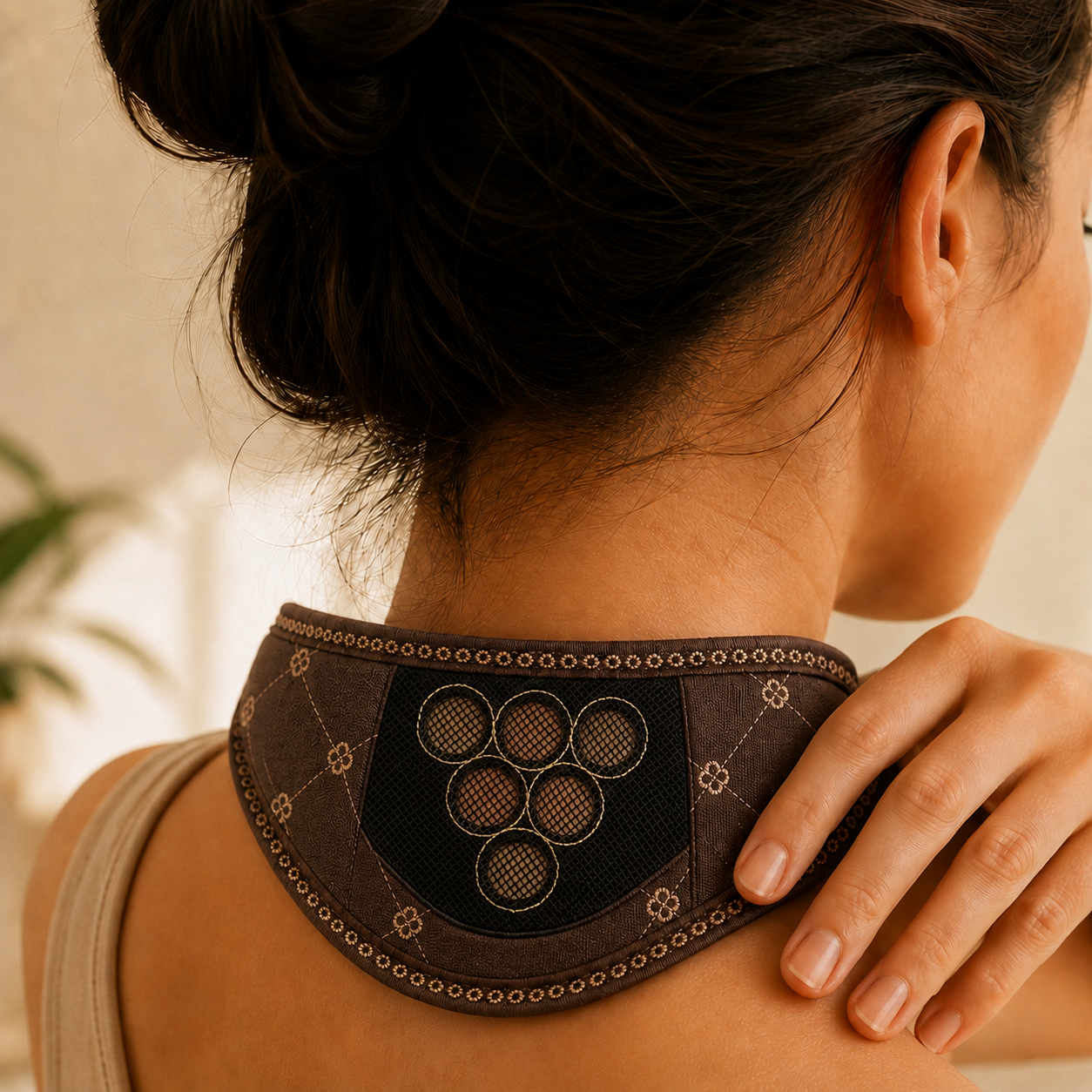
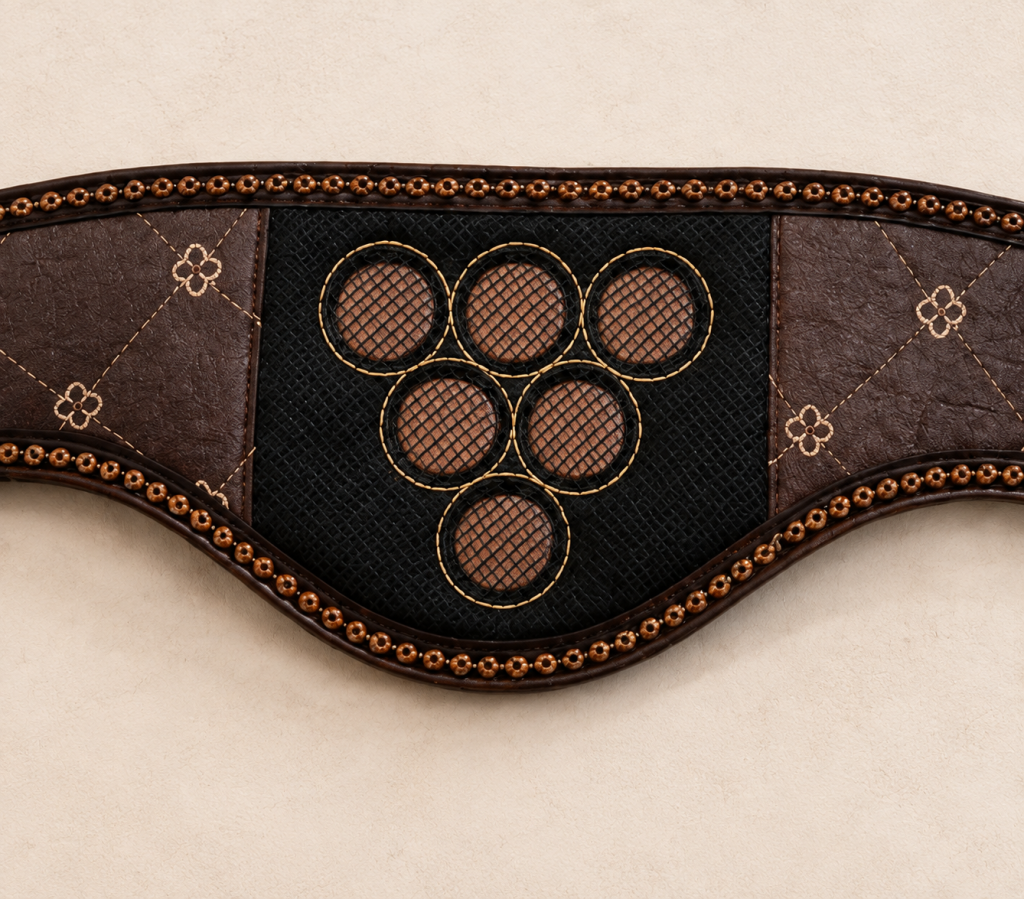
Choose a heated wrap, shoulder gua sha board, or curved bian stone tool designed for warm pressure and slow glide around the neck-side, shoulders, and upper back.
Body
For full-body warm-touch rituals
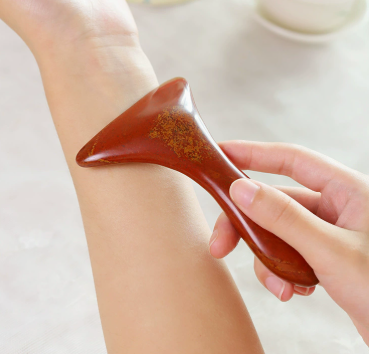
Larger bian stone boards and body tools are designed for arms, shoulders, back, legs, and other broad areas where a slower pressure ritual feels useful.
Warmth
Adjustable warmth can make a tool feel more comforting during evening rituals, especially around the jaw, neck, shoulders, and body.
Vibration
Vibration adds rhythmic sensory input and can make a tool feel more active than a static stone surface.
Powered bian stone tools: warmth, vibration, suction, and glide
Some modern bian stone tools include powered functions such as adjustable warmth, vibration, or controlled suction. These features are designed to create a more guided tactile experience than a simple hand-held stone tool. Always follow the product-specific instructions, use gentle pressure, and avoid using powered tools on irritated, injured, or highly sensitive skin.
Suction
Suction-based tools should be used carefully and briefly. They may leave temporary marks and are not suitable for all skin types.
Gua Sha-Inspired Glide
A smooth stone edge can be used for slow, controlled glide across broad areas such as the jawline, shoulders, arms, or body.
How to use bian stone tools safely
Use bian stone tools slowly and gently. Start with light pressure, short sessions, and clean skin. Avoid broken skin, inflamed skin, sunburned areas, recent procedures, or areas with reduced sensation. If a tool uses heat, vibration, or suction, follow the product instructions and stop use if discomfort occurs.
Care & Cleaning
How to clean and care for bian stone tools
1,Wipe with a soft damp cloth after use. Dry fully before storing. Avoid dropping the stone tool, as natural stone may chip or crack.
2,For powered bian stone tools, do not submerge the device in water. Wipe the stone contact surface according to the product instructions and keep charging ports dry.
3,For heated or weighted textile products, follow the product-specific heating and cleaning instructions. If the cover is removable, wash the cover only and keep the inner heating or weighted insert dry unless otherwise stated.
What we do not claim
We focus on daily sensory rituals: warmth, pressure, breath, touch, and mindful use after screen-heavy days.
Resoveya bian stone tools are wellness ritual tools, not medical devices. They are not intended to diagnose, treat, cure, or prevent any disease or medical condition. We do not claim that bian stone detoxes the body, cures pain, opens meridians, treats TMJ, improves eyesight, or resolves neck or spine conditions.
Recommended bian stone rituals
FAQ
01.
What is bian stone used for?
Bian stone is shaped into tools for pressing, gliding, combing, warming, and massaging the body. At Resoveya, we use bian stone in modern wellness rituals for the eyes, jaw, face, scalp, neck, shoulders, and body.
02.
What is the difference between black and red bian stone?
At Resoveya, black and red bian stone are mainly differentiated by visual tone, product design, and ritual use. We do not claim that one color has stronger medical effects than the other.
03.
Are bian stone tools medical devices?
No. Resoveya bian stone tools are wellness ritual tools. They are not intended to diagnose, treat, cure, or prevent any disease or medical condition.
04.
Can I use bian stone tools around the eyes?
Only use tools specifically designed for the eye-adjacent area, and use very light pressure. Do not press directly on the eyeball or use tools on irritated or injured skin.
05.
Can heated bian stone tools be used before sleep?
Heated tools can be used as part of a wind-down ritual, but do not sleep with powered or heated tools turned on. Always follow the product-specific instructions.
06.
What does “gua sha-inspired” mean?
It means the tool uses a smooth edge or surface for slow, controlled glide. We use the term to describe a tactile ritual, not a medical treatment.